

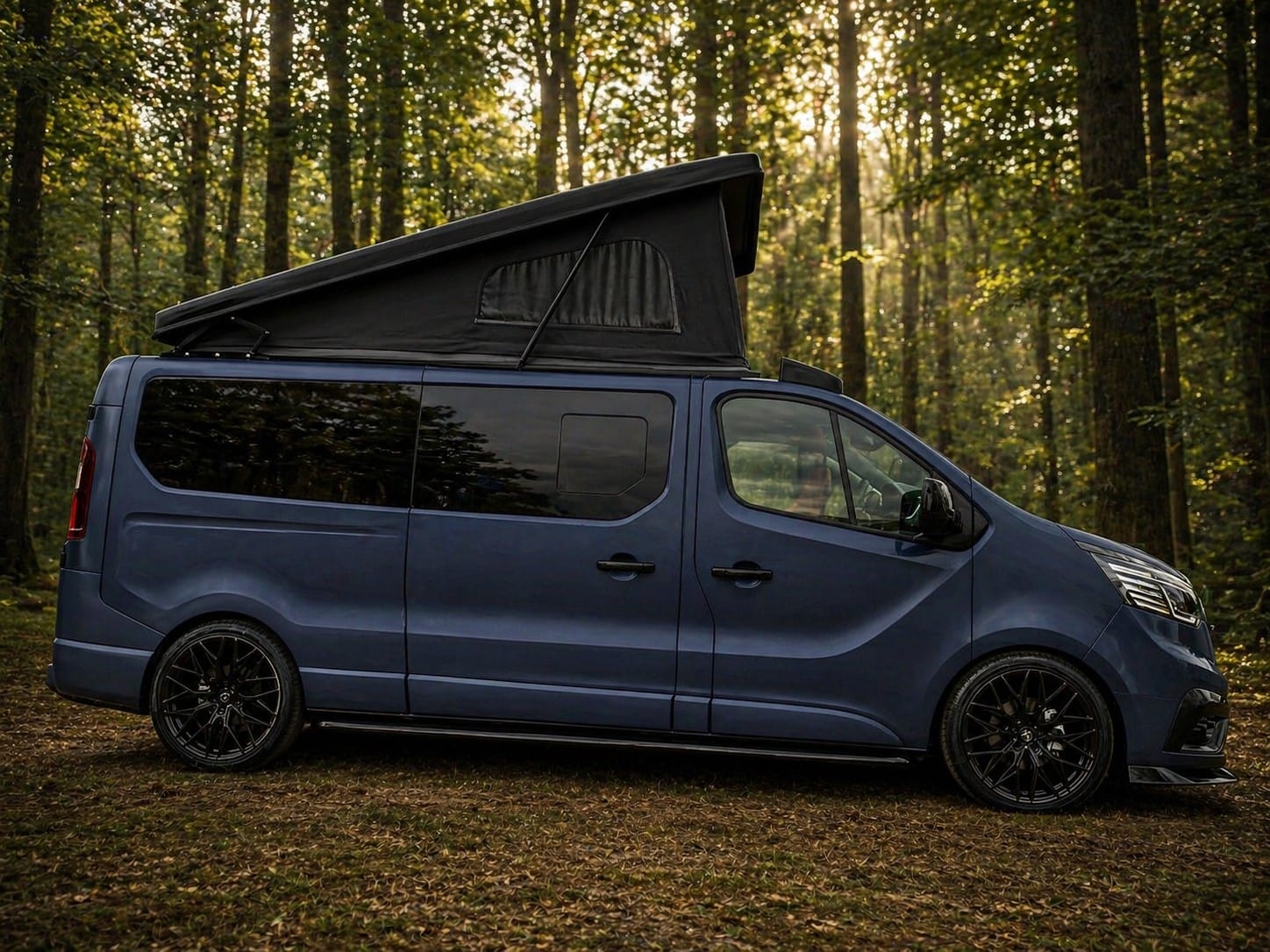
Campervan road tax depends on how the DVLA has your vehicle recorded, not on what is inside it. A converted van still shown as a van on its V5C pays the light goods vehicle rate, which is £360 a year for 2026/27. A vehicle recorded as a motor caravan pays £230 or £375 a year depending on engine size, or £177 if it weighs over 3,500kg.
That surprises a lot of people, because it means changing to a motor caravan does not always save money. This guide sets out the current rates, the DVLA’s rules, and how to check and pay.
Campervan road tax rates for 2026/27
These are the rates from 1 April 2026 to 31 March 2027, taken from gov.uk’s motorhome rates and rates for other vehicles.
| How the vehicle is recorded | 12 months |
|---|---|
| Van up to 3,500kg, registered from 1 March 2001 (light goods vehicle) | £360 |
| Motor caravan up to 3,500kg, engine not over 1549cc | £230 |
| Motor caravan up to 3,500kg, engine over 1549cc | £375 |
| Motor caravan over 3,500kg (private heavy goods) | £177 |
Paying monthly by Direct Debit costs a little more. For example, the £360 van rate becomes £378 over the year.
Motor caravans registered between April 2017 and March 2020
There is one exception. A motor caravan that was first registered between 1 April 2017 and 11 March 2020, with a CO2 figure on its type approval certificate, is taxed on the CO2 based system used for cars. After the first year that means a standard rate of £200, and the expensive car supplement of £440 a year for five years if the list price was over £40,000. Motor caravans first registered on or after 12 March 2020 are taxed on the flat rates in the table above instead.
The expensive car supplement does not apply to vans taxed as light goods vehicles. It is also worked out on the vehicle’s list price when it was first registered, so the cost of a later conversion does not push a van over the threshold.
Does changing to a motor caravan save money?
Not always. A van under 3,500kg with an engine over 1549cc pays £360 a year as a van and £375 as a motor caravan. In that case, changing the body type costs you £15 a year more. You can check your engine size on the V5C.
There can be other reasons to change the body type, and some insurers take it into account. Our campervan insurance guide explains how.
When will the DVLA change the body type?
Since October 2019, the DVLA only changes a vehicle’s body type to motor caravan if it looks like a motor caravan in traffic, as well as having the right features inside. Its guidance on converting a vehicle into a motor caravan sets out both.
Inside, the vehicle needs seats and a table, sleeping accommodation, cooking facilities and storage, all fixed in place (the table can be removable). Outside, the photos must show a combination of these features:
- two or more windows on one side of the body
- a separate habitation door
- motor caravan style graphics on both sides
- an awning bar
- a high top roof
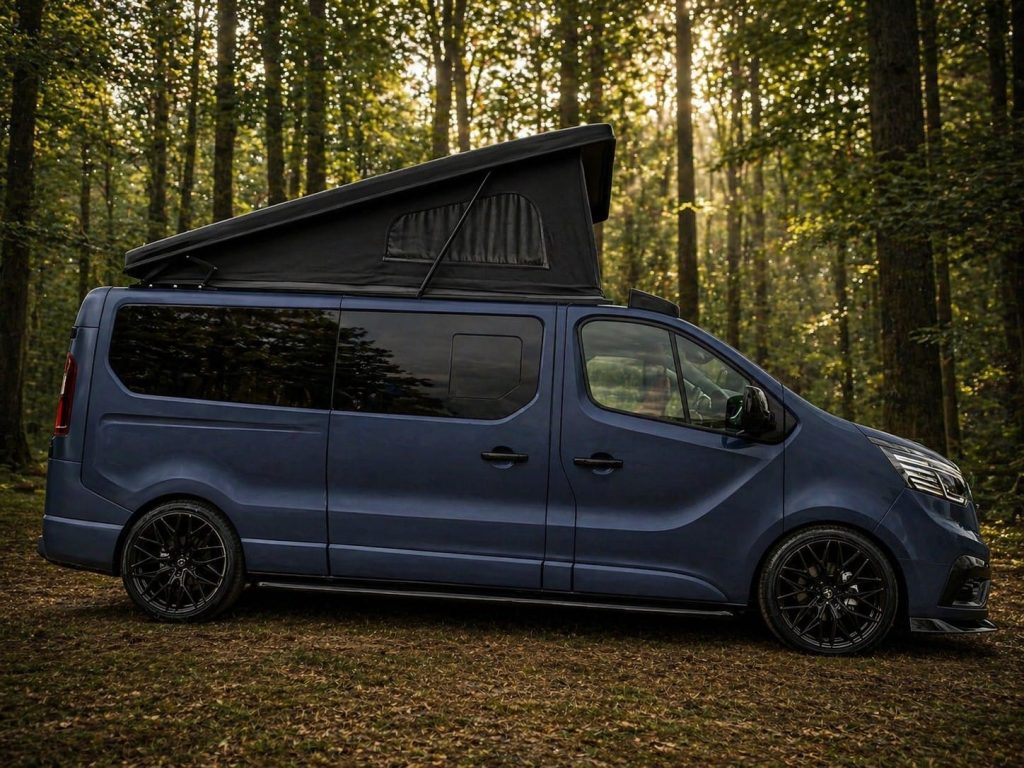
The DVLA is clear that a high top roof does not include a pop top elevating roof. So a pop top van with no other external features may stay recorded as a van, however well it is fitted out.
What the DVLA asks for
You send the V1006 checklist, the V5C, photos of the inside with the bed and table in use, photos of the front, both sides and the rear with the number plates showing, and a photo of the VIN. Label each photo with a description, the date and the registration, and post everything to DVLA, Swansea, SA99 1BA. The DVLA may inspect the vehicle. It does not ask for build invoices.
The DVLA also says the body type does not affect the vehicle’s insurance category, speed limits or other legal requirements.
Electric and historic campervans
Electric vehicles have paid vehicle tax since 1 April 2025. Electric vans generally pay the light goods rate, while electric cars registered from 1 April 2025 pay £10 in the first year and then the £200 standard rate. The gov.uk guidance on electric vehicle tax has the detail. We have not found a published rate specifically for electric motor caravans.
Vehicles built before 1 January 1986 can be exempt from vehicle tax from 1 April 2026 as historic vehicles, but you still need to apply. You do this at a Post Office.
How to check and pay your campervan tax
- Check your V5C for the body type, the revenue weight and the engine size.
- Use the DVLA’s online vehicle enquiry service to check the current tax status against your registration.
- Pay online at gov.uk, by phone on 0300 123 4321, or at a Post Office.
Tax cannot be transferred when you buy a vehicle, so tax it before you drive it away.
Buying a converted van
When you buy a campervan, look at the V5C before you look at the kitchen. It tells you how the van is taxed, what it is plated at, and whether the body type has been changed. See our current builds on the campervans for sale page, or read our buying checklist.
Questions we get asked
How much is road tax on a campervan in the UK?
For 2026/27, £360 a year if it is recorded as a van, £230 or £375 as a motor caravan depending on engine size, and £177 as a motor caravan over 3,500kg. Motor caravans registered between April 2017 and March 2020 use the CO2 based car system.
Is campervan tax cheaper than van tax?
Only for motor caravans with engines of 1549cc or less, or over 3,500kg. With an engine over 1549cc, a motor caravan pays £15 a year more than a van.
Does a pop top campervan count as a motor caravan?
Not on the roof alone. The DVLA does not count a pop top as a high top roof, so the van needs other external features, such as windows on one side, graphics or an awning bar.
Can I pay campervan tax monthly?
Yes, by Direct Debit, which costs slightly more over the year than paying in one go.

